Property management software for small portfolios is the key to unlocking unparalleled efficiency and profitability for landlords with a limited number of units. This comprehensive guide delves into how these powerful tools can transform daily operations, streamline core functionalities, and effectively tackle common operational bottlenecks. We’ll explore the essential features that matter most, from automated rent collection to robust tenant communication portals, and how they foster stronger landlord-tenant relationships while reducing administrative burdens.
Get ready to discover how a well-chosen software solution can elevate your property management game, making it simpler, more organized, and ultimately, more rewarding.
This exploration will further illuminate the critical role of financial management capabilities, offering a pathway to enhanced fiscal oversight. We’ll examine the advantages of tracking income and expenses, simplifying tax preparation with automated invoicing and reporting, and the paramount importance of security and data privacy. Furthermore, we’ll uncover the synergy created by integrating property management software with existing business tools, enhancing communication and unlocking potential third-party integrations.
Finally, we will address scalability, long-term value, and the crucial aspects of user experience and support, ensuring you can make an informed decision for sustained satisfaction and adoption.
Identifying the Most Impactful Features Within Property Management Software for Individuals Overseeing a Modest Number of Rental Units is Crucial for Informed Decision-Making.: Property Management Software For Small Portfolios
For landlords managing a small portfolio, the right property management software can be a game-changer, transforming what might feel like a demanding side hustle into a streamlined and efficient operation. The key lies in identifying features that directly address the pain points and administrative burdens associated with a limited number of properties. By leveraging these tools effectively, even a handful of units can be managed with the professionalism and efficiency typically associated with larger operations, freeing up valuable time and reducing stress.
Automated Rent Collection and Payment Tracking Benefits
Integrating automated rent collection and payment tracking offers significant advantages for landlords with limited property holdings, directly impacting their cash flow and administrative workload. This automation eliminates the manual tasks of chasing rent, processing checks, or handling cash, which can be time-consuming and prone to error. For a small portfolio, this means more predictable income streams and less time spent on accounts receivable.
Automated systems typically allow tenants to pay online through various methods, such as direct debit, credit cards, or even payment portals. This convenience often leads to more timely payments, reducing late fees and the associated follow-up efforts. Furthermore, robust payment tracking provides an immediate and accurate overview of rent status for all properties, making it easy to identify any arrears at a glance.
This proactive approach allows landlords to address potential issues before they escalate, ensuring consistent financial stability for their investments. The software automatically logs each payment, generates receipts, and updates tenant ledgers, creating a clear and auditable financial record. This level of detail is invaluable for tax purposes and for maintaining a professional relationship with tenants, as it removes ambiguity around payment history.
Tenant Communication Portals Foster Stronger Relationships and Reduce Overhead
Tenant communication portals within property management software serve as a centralized hub for all interactions between landlords and tenants, significantly enhancing transparency and efficiency. These portals provide a dedicated space for tenants to submit inquiries, report issues, and receive important updates from their landlord. This structured communication channel reduces the reliance on scattered emails, text messages, or phone calls, which can easily become disorganized and lead to missed information.
By offering a consistent and accessible platform, landlords can foster a sense of professionalism and responsiveness, which in turn builds trust and strengthens the landlord-tenant relationship. Tenants feel heard and valued when they have a clear avenue for communication and can track the status of their requests. For landlords, these portals drastically reduce administrative overhead by consolidating communication, providing a searchable history of all interactions, and minimizing the need for constant back-and-forth exchanges.
Automated notifications can be set up for new messages or updates, ensuring neither party misses critical information. This proactive communication strategy can help prevent minor issues from escalating into larger disputes, contributing to a more harmonious tenancy.
Maintenance Request Tracking and Scheduling Improvements
Dedicated software features for maintenance request tracking and scheduling can dramatically streamline the process of addressing property upkeep, ensuring timely repairs and efficient resource allocation. This is particularly beneficial for landlords managing multiple units, where coordinating repairs across different locations can be complex. The software typically allows tenants to submit maintenance requests directly through their portal, often with the ability to attach photos or videos of the issue.
This provides landlords with immediate and clear context, enabling them to assess the urgency and nature of the problem accurately. Once a request is logged, the software can categorize it by type (e.g., plumbing, electrical, general repair) and assign it to the appropriate vendor or maintenance staff. Landlords can then track the status of each request in real-time, from submission to completion, receiving notifications at each stage.
This eliminates the need for phone calls or emails to check on progress.For example, imagine a tenant in Unit 3B reports a leaky faucet through the software. The request is automatically categorized as a “plumbing” issue and flagged as “urgent.” The landlord, seeing this in their dashboard, can immediately assign the task to their preferred plumber through the software’s vendor management system.
The plumber receives a notification, accesses the details of the request, and schedules a visit. The landlord can then update the status to “scheduled,” and the tenant receives an automated notification with the plumber’s arrival window. Once the repair is completed, the plumber marks it as “resolved,” and the landlord can review and close the request, potentially adding notes about the repair for future reference.
This systematic approach ensures that maintenance issues are addressed promptly, tenant satisfaction remains high, and the landlord maintains a comprehensive record of all property upkeep.
Onboarding New Tenants and Managing Lease Documentation
Onboarding new tenants and managing their lease documentation can be a significantly smoother process when utilizing the dedicated features of property management software. This involves a structured approach to collecting tenant information, executing lease agreements, and ensuring all necessary paperwork is securely stored and easily accessible.
- Initiate Tenant Application: When a new tenant is approved, begin the onboarding process within the software. This typically involves creating a new tenant profile.
- Digital Lease Generation: Utilize the software’s lease template feature to generate a customized lease agreement. This often includes pre-filled fields based on tenant and property information, ensuring accuracy and consistency.
- Electronic Lease Signing: Send the generated lease agreement to the tenant for electronic signature. Most software integrates with e-signature platforms, allowing tenants to review and sign the document securely from any device.
- Secure Document Storage: Once signed, the lease agreement is automatically uploaded and securely stored within the tenant’s profile in the software. This creates a centralized and easily retrievable digital archive of all lease documents.
- Collect Initial Payments: Integrate rent collection features to facilitate the payment of security deposits and the first month’s rent. This can be done through the same online payment portal used for regular rent collection.
- Tenant Portal Access: Grant the new tenant access to their dedicated portal. This allows them to view their lease details, payment history, and communicate with the landlord.
- Move-in Inspection Documentation: Utilize the software’s features for conducting and documenting the move-in inspection. This can involve checklists and photo uploads to record the property’s condition at the start of the tenancy.
- Set Up Recurring Payments: Configure automated rent payments for the duration of the lease, ensuring timely collection of future rent.
Exploring the financial management capabilities of property management software designed for small portfolios offers a pathway to enhanced fiscal oversight.
For individuals managing a modest number of rental properties, keeping a tight rein on finances is paramount. Property management software specifically tailored for small portfolios can transform this often-daunting task into a streamlined, efficient process. This technology moves beyond simple record-keeping, offering robust tools that provide clarity, reduce errors, and ultimately boost profitability. By centralizing financial data, these platforms empower landlords to make informed decisions, identify trends, and proactively address any potential financial leaks before they become significant problems.
The ability to access real-time financial snapshots from anywhere at any time is a game-changer, offering peace of mind and greater control over your investments.The advantages of utilizing software for tracking income and expenses across multiple rental properties owned by a single entity are substantial and multifaceted. Primarily, it brings a level of organization that manual methods simply cannot match.
Imagine having all rent payments, maintenance invoices, utility bills, property taxes, and insurance premiums meticulously categorized and accessible in one digital location. This eliminates the risk of lost receipts, forgotten payments, or misallocated funds. For a small portfolio manager, this means a clearer picture of each property’s profitability and the overall financial health of their real estate holdings. Furthermore, the software can automate repetitive tasks, freeing up valuable time that can be better spent on property improvements, tenant relations, or strategic growth.
This automation also significantly reduces the likelihood of human error in data entry, which can have costly repercussions. Ultimately, comprehensive financial tracking through software leads to more accurate forecasting, better cash flow management, and a more predictable income stream.
Automated Invoice Generation and Financial Reporting for Tax Preparation and Budgeting
Features like automated invoice generation and financial reporting are incredibly powerful tools for small-scale landlords looking to simplify tax preparation and budgeting. Automated invoice generation means that rent statements and late fee notifications can be created and sent to tenants with just a few clicks, ensuring timely rent collection and reducing administrative burden. This consistent invoicing process also creates a clear audit trail for all income received.
When it comes to financial reporting, property management software can generate a variety of reports that are essential for tax purposes and future planning. These can include profit and loss statements per property, income and expense summaries, and year-end tax reports. These pre-generated reports save considerable time and effort compared to manually compiling this information, and they are typically formatted in a way that is easily understandable by tax professionals.
For budgeting, these reports offer invaluable insights into historical spending patterns and revenue generation. A landlord can analyze which expenses are recurring, identify areas where costs can be reduced, and project future income and expenses with greater accuracy. This proactive budgeting allows for better financial planning, ensuring that funds are available for necessary repairs, vacancies, or unexpected costs, thereby safeguarding the long-term viability of the rental business.
Security and Data Privacy in Financial Information Management
Entrusting sensitive financial information to property management software necessitates a strong emphasis on security and data privacy. Landlords must understand that their rental income, tenant payment histories, and expenditure details are valuable data that require robust protection. Reputable property management software providers invest heavily in advanced security measures to safeguard this information. These typically include data encryption, both in transit and at rest, meaning that data is scrambled and unreadable to unauthorized individuals even if intercepted.
Secure server infrastructure, often hosted in geographically diverse and physically secure data centers, further enhances protection against physical breaches. Access controls are also critical, ensuring that only authorized users can access specific financial data, often through multi-factor authentication. Best practices for data protection on the user’s end include using strong, unique passwords for their software accounts, regularly updating their operating systems and antivirus software, and being vigilant against phishing attempts.
Regularly reviewing the software provider’s security policies and data privacy statements is also advisable. Understanding how your data is collected, stored, and used by the software provider is crucial for maintaining trust and ensuring compliance with relevant data protection regulations.
Hypothetical Financial Dashboard Visualization for Small Portfolio Managers
A small portfolio manager would find a hypothetical financial dashboard visualization most useful if it prioritizes key performance indicators (KPIs) that offer an immediate, actionable overview of their rental business. This dashboard should be designed for quick comprehension, allowing for rapid assessment of financial health.The ideal dashboard would prominently feature the following sections:
- Current Cash Position: A clear, large number displaying the total available cash across all managed accounts, with a visual indicator (e.g., a simple bar or color-coding) showing if this is within a healthy range compared to historical averages or set targets.
- Rent Roll Status: A visual representation, perhaps a pie chart or a stacked bar chart, showing the percentage of rent collected versus outstanding for the current period. This would immediately highlight any significant overdue payments.
- Income vs. Expense Summary (Current Month/Quarter): A dual-line graph illustrating total income generated and total expenses incurred over the selected period. This provides a clear view of profitability. Key figures for total income, total expenses, and net profit would be displayed numerically next to the graph.
- Top 3 Expenses: A simple bar chart or list showing the three largest expense categories for the period (e.g., maintenance, property taxes, utilities). This helps in identifying where the majority of funds are being allocated.
- Occupancy Rate: A prominent percentage indicating the current occupancy rate across the portfolio. A downward trend would be visually flagged.
- Upcoming Bills/Payables: A short, actionable list of bills due within the next 7-14 days, with their respective amounts. This serves as a crucial reminder for upcoming financial obligations.
This dashboard would offer a snapshot that allows a manager to quickly identify potential issues, such as a dip in collections, an unexpected surge in expenses, or a decline in occupancy, prompting further investigation and timely intervention. The emphasis is on clarity, actionable insights, and at-a-glance understanding of the financial landscape.
The integration of property management software with existing business tools presents opportunities for a more cohesive operational ecosystem for those managing a few properties.
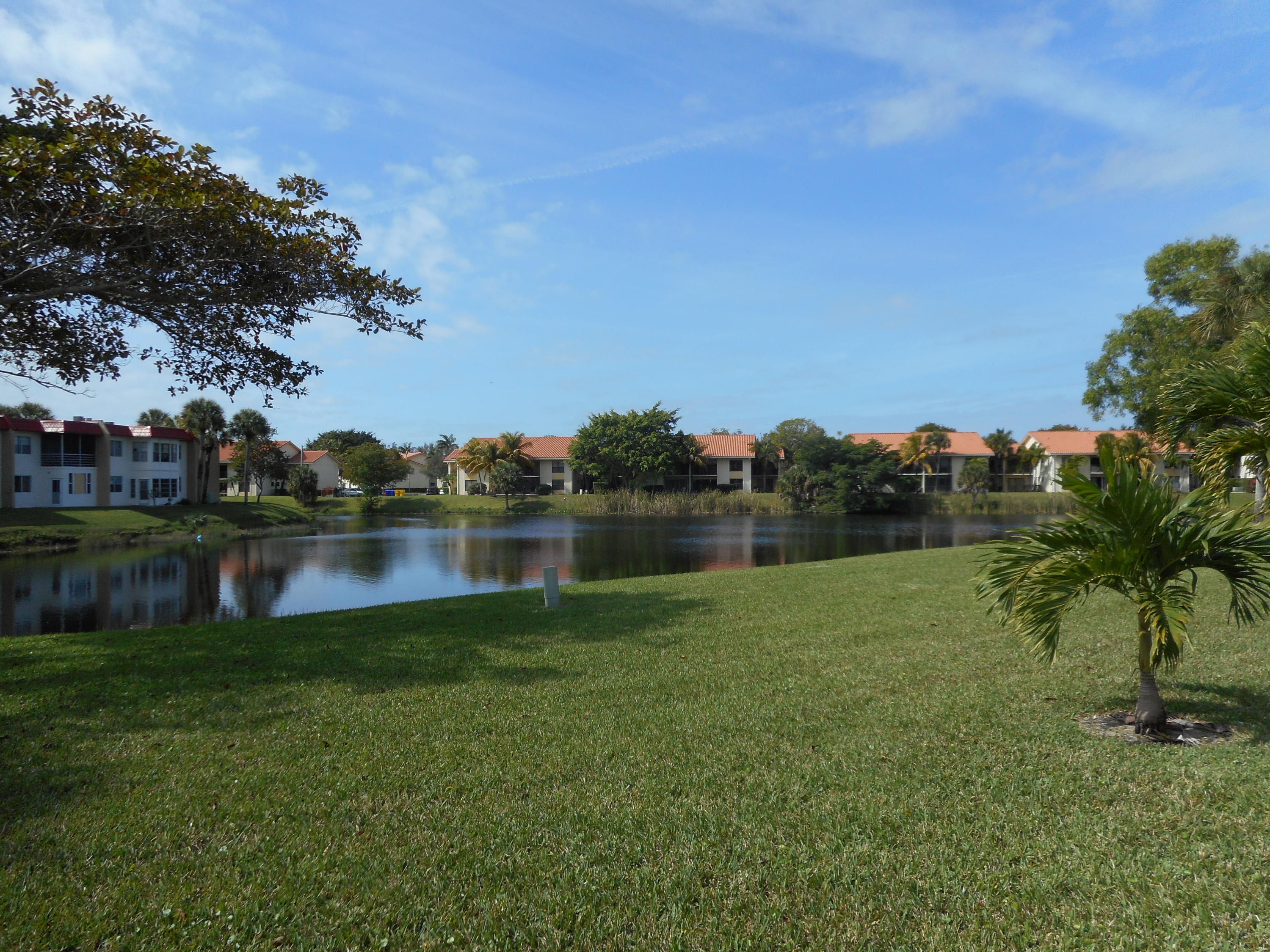
For individuals overseeing a modest number of rental units, the true power of property management software often lies not in its standalone features, but in its ability to connect and communicate with other essential business tools. This interconnectedness fosters a more streamlined, efficient, and less error-prone operational environment, allowing property managers to focus more on strategic growth and less on manual data entry and cross-referencing.
Building a cohesive ecosystem around your property management software is a key step towards maximizing productivity and achieving better financial and operational control.
Accounting Platform Synchronization for Enhanced Fiscal Oversight, Property management software for small portfolios
Connecting your property management software with accounting platforms is paramount for maintaining accurate financial records and gaining clear insights into your portfolio’s profitability. This integration automates the transfer of crucial financial data, eliminating the need for manual input and significantly reducing the risk of human error. For instance, when rent payments are recorded in the property management software, this information can be automatically synchronized with your accounting software.
This means income from rent is immediately reflected in your general ledger, sales, or revenue accounts, depending on your accounting setup. Similarly, expenses logged for maintenance, repairs, or property taxes within the management software can be seamlessly pushed to your accounting system, categorized appropriately. This data synchronization ensures that your financial statements, such as profit and loss reports and balance sheets, are always up-to-date and reflect the real-time financial health of your properties.
This level of accuracy is invaluable for making informed investment decisions, preparing for tax season, and understanding cash flow patterns. Imagine a scenario where a vendor invoice is entered into the property management software with details like the service provided, the amount, and the property it pertains to. With integration, this invoice data, including vendor details and payment status, can flow directly into your accounting software, ready to be processed for payment and impacting your accounts payable.
This eliminates the need to re-enter invoice details into a separate accounting system, saving considerable time and preventing discrepancies.
Leveraging Communication Tools for Improved Stakeholder Interactions
Modern property management software often includes or integrates with communication tools, transforming how you interact with tenants and vendors. Direct integration with email and SMS services allows for automated and personalized communication. For tenants, this means timely rent payment reminders sent via SMS, reducing late payments and improving cash flow. Lease renewal notifications can be sent well in advance, ensuring continuity and minimizing vacancies.
Furthermore, maintenance requests submitted through the tenant portal can trigger automated email notifications to the property manager and assigned vendors. This ensures that issues are addressed promptly, leading to higher tenant satisfaction and retention. For vendors, clear and concise communication is equally vital. Automated notifications about new work orders, including property details, tenant contact information, and the scope of work, can be sent directly to their inboxes or phones.
This reduces phone tag and miscommunication, ensuring that vendors have all the necessary information to complete jobs efficiently. Beyond transactional communication, these tools can also be used for broader outreach, such as distributing important building updates or emergency alerts to all tenants simultaneously via a mass SMS campaign.
Enhancing Functionality with Third-Party Integrations
The utility of property management software for small portfolios can be significantly amplified through strategic third-party integrations. These specialized services can add layers of functionality that might not be core to the property management software itself but are crucial for comprehensive business operations. For example, integrating with reputable background check services allows property managers to quickly and efficiently screen potential tenants.
This process, often handled through a direct API connection, pulls applicant data from your property management software and sends it to the background check provider, returning a comprehensive report directly into the tenant’s profile. This streamlines the tenant screening process, ensuring you select reliable occupants. Similarly, integrating with insurance providers can simplify the process of ensuring properties are adequately covered.
This might involve direct links to obtain quotes or upload policy documents, keeping all property-related information in one accessible location. Other valuable integrations could include services for online rent payment processing (beyond basic ACH), smart home device management for enhanced security and efficiency, or even legal services for lease generation and eviction processes.
Essential Integrations for a Small Property Management Business
To build a truly effective operational ecosystem, a small property management business should prioritize certain integrations. These integrations are designed to tackle common challenges and enhance daily workflows, leading to greater efficiency and reduced administrative burden.
-
Accounting Software Integration (e.g., QuickBooks, Xero):
- Advantage: Automates financial data synchronization, ensuring accurate and up-to-date financial reporting. Reduces manual data entry, minimizing errors in income and expense tracking. Simplifies tax preparation and provides real-time insights into portfolio profitability.
- Tenant Communication Platforms (e.g., Twilio for SMS, integrated email):
- Advantage: Facilitates timely and automated communication with tenants for rent reminders, lease notices, and emergency alerts. Improves response times for maintenance requests and enhances overall tenant satisfaction.
- Background and Credit Check Services (e.g., TransUnion, Experian):
- Advantage: Streamlines the tenant screening process, allowing for quick and reliable assessment of applicant risk. Enhances the quality of tenants selected, reducing potential issues with rent payment and property damage.
- Online Payment Gateways (e.g., Stripe, PayPal, specialized rent payment processors):
- Advantage: Offers tenants convenient and secure payment options, leading to faster rent collection and improved cash flow. Reduces the administrative effort associated with manual payment processing.
- Document Management Systems (e.g., Dropbox, Google Drive integration):
- Advantage: Provides a centralized and organized repository for all property-related documents, including leases, inspection reports, and vendor contracts. Ensures easy access and retrieval of critical information for audits or tenant inquiries.
Understanding the user experience and support mechanisms inherent in property management software for smaller operations is vital for sustained adoption and satisfaction.

When managing a modest portfolio of rental units, the property management software you choose should feel like a helpful assistant, not a complex puzzle. For individuals who may not be seasoned tech wizards, the ease with which they can navigate and utilize the software is paramount. An intuitive and user-friendly interface means less time spent wrestling with complicated menus and more time focused on actual property management tasks, like screening tenants or collecting rent.
This directly impacts adoption rates; if the software is a chore to use, it’s unlikely to be used consistently, negating its potential benefits. A well-designed interface often features clear labeling, logical workflows, and a visually uncluttered layout, allowing users to find what they need quickly and perform actions efficiently, even with minimal technical background.
The Importance of an Intuitive and User-Friendly Interface
For property managers overseeing a few rental units, the learning curve associated with new software can be a significant hurdle. Many small portfolio managers are not full-time IT professionals; they are often landlords, investors, or small business owners who juggle multiple responsibilities. Therefore, a property management software’s interface must be designed with this user in mind. An intuitive design means that common tasks, such as adding a new tenant, generating a lease, or tracking expenses, are easily discoverable and require minimal steps.
Features should be logically organized, and the overall visual presentation should be clean and uncluttered, avoiding overwhelming the user with too much information at once. For instance, a dashboard that clearly displays key metrics like upcoming rent payments, overdue notices, and maintenance requests at a glance can significantly improve efficiency. Similarly, simple drag-and-drop functionality for tasks or clear, step-by-step wizards for complex processes can demystify the software for less tech-savvy individuals.
When a user can quickly understand how to perform essential functions without needing extensive training or referring to a manual, they are far more likely to integrate the software into their daily workflow and experience its full value. This ease of use fosters confidence and reduces the frustration that can lead to software abandonment, ensuring that the investment in the technology translates into tangible operational improvements.
Types of Customer Support and Their Benefits for Small Users
The availability and quality of customer support can be a deciding factor for small portfolio managers. When issues arise, having access to timely and effective assistance is crucial to prevent disruptions in property management operations. Different support channels cater to varying needs and preferences. Live chat offers immediate, real-time interaction, which is ideal for quick questions or minor troubleshooting. This can be particularly beneficial for users who are in the middle of a task and need an instant answer to move forward.
Phone support provides a more personal touch and is often preferred for more complex problems that may require detailed explanation or guided resolution. The ability to speak directly with a support representative can alleviate anxiety and ensure that the issue is fully understood and addressed. Email support, while typically not as immediate as live chat or phone, is useful for documenting issues and responses, and for less urgent queries that can be handled asynchronously.
This method allows users to provide detailed information and attach relevant files, which can aid the support team in diagnosing the problem. For small portfolio managers, these diverse support options mean they can choose the method that best suits their immediate needs and technical comfort level, ensuring they can resolve any software-related challenges without significant downtime.
The Value of Online Resources
Beyond direct support channels, comprehensive online resources play a significant role in empowering users of property management software. Knowledge bases, often organized as FAQs or searchable articles, provide readily accessible answers to common questions and step-by-step guides for various features. Tutorials, whether in video or written format, offer visual demonstrations of how to perform specific tasks, making complex processes easier to grasp.
Community forums can be invaluable, allowing users to connect with peers, share tips, and learn from each other’s experiences. This peer-to-peer learning environment can offer practical insights and workarounds that might not be covered in official documentation. For small portfolio managers, these resources serve as a self-service support system, enabling them to find solutions independently and at their own pace.
This not only reduces reliance on direct support but also fosters a deeper understanding of the software’s capabilities, leading to more effective and efficient utilization.
Pre-Purchase Support and Training Checklist
Before committing to a property management software, it’s wise to thoroughly investigate its support and training offerings. This proactive approach can save significant time and frustration down the line. A well-supported user is a satisfied and effective user.
- What types of customer support are available (e.g., live chat, phone, email)?
- What are the operating hours for each support channel?
- What is the typical response time for inquiries via each channel?
- Is there a dedicated account manager or support contact for smaller accounts?
- What kind of onboarding or initial training is provided upon purchase?
- Are there self-service online resources available, such as a knowledge base, FAQs, and video tutorials?
- Is there an active community forum or user group where I can ask questions and share experiences?
- What is the process for reporting bugs or requesting new features?
- Are there any additional costs associated with premium support or training?
- How frequently are the software and its support resources updated?
Last Point

In essence, property management software for small portfolios is not just a tool; it’s a strategic partner. By streamlining operations, enhancing financial oversight, fostering better communication, and offering scalability, it empowers landlords to manage their properties with greater ease and confidence. The insights shared here highlight the tangible benefits of adopting such a system, from time savings and error reduction to improved tenant satisfaction and ultimately, a healthier bottom line.
Embracing the right software means embracing a future where managing a modest portfolio is not just manageable, but remarkably efficient and profitable.
FAQs
What are the typical costs associated with property management software for small portfolios?
Costs can vary widely, from free basic versions to monthly subscriptions ranging from $10 to $100+, depending on the features and number of units managed. Many offer tiered pricing plans.
Can I use this software if I only have one rental property?
Absolutely. Many property management software solutions are designed with flexibility in mind and can be beneficial even for single-property owners looking to organize their rental business.
How often is the software updated?
Most reputable software providers regularly update their platforms to add new features, improve existing ones, and address security vulnerabilities. Updates are typically automatic or announced to users.
Is it difficult to migrate my existing data into new software?
The ease of data migration depends on the software. Many offer import tools for spreadsheets or CSV files. It’s advisable to check with the software provider about their migration support and processes.
Can I manage commercial properties with this type of software?
While many platforms focus on residential properties, some can be adapted for small commercial portfolios. It’s crucial to check the specific features and capabilities to ensure it meets commercial property management needs.