best property management software is essential for streamlining operations, enhancing tenant satisfaction, and maximizing profitability in today’s competitive real estate market. This comprehensive guide delves into the core needs, innovative features, crucial integrations, financial considerations, vendor support, security, and specialized solutions that define superior property management platforms.
We will explore the foundational challenges property managers face, from tenant screening and rent collection to maintenance tracking and financial reporting. Understanding these core operational needs is the first step in identifying software that not only addresses immediate demands but also scales with your portfolio’s growth. The journey to finding the right software involves navigating a diverse landscape of features, discerning those that move beyond basic functionality to offer proactive management through advanced communication tools, automated workflows, and insightful data analytics.
Unearthing the Foundational Needs Driving the Search for Superior Property Management Software Solutions
In the dynamic world of real estate, property managers are constantly seeking ways to optimize operations, enhance tenant satisfaction, and maximize profitability. This relentless pursuit often leads them to explore advanced property management software solutions. The underlying drive is not merely about adopting new technology; it’s about addressing fundamental operational challenges that, if left unchecked, can lead to inefficiencies, increased costs, and a diminished return on investment.
Understanding these core needs is the first step in identifying software that truly delivers value and empowers managers to excel.The complexity of managing a property portfolio, whether it’s a single rental unit or hundreds, presents a multifaceted set of challenges. Without effective tools, these challenges can quickly escalate, consuming valuable time and resources. The manual processes that were once standard are now a significant bottleneck in a competitive market.
Property managers are grappling with the sheer volume of administrative tasks, the need for constant communication with various stakeholders, and the imperative to maintain financial accuracy and transparency. This necessitates a shift towards integrated, automated solutions that can streamline workflows and provide actionable insights.
Core Operational Challenges Requiring Advanced Software
The day-to-day responsibilities of a property manager are extensive and often unpredictable. The traditional approach, relying on spreadsheets, paper files, and manual communication, is no longer sustainable for efficient operations. Several core challenges consistently emerge, highlighting the urgent need for sophisticated software.One of the most significant hurdles is tenant acquisition and management. This encompasses everything from advertising vacancies and screening potential tenants to managing leases and handling move-ins and move-outs.
Manual tenant screening, often involving credit checks, background checks, and reference calls, is time-consuming and prone to human error. Inconsistent screening processes can lead to the selection of unreliable tenants, resulting in late payments, property damage, and eviction proceedings, all of which are costly and disruptive.Another critical area is rent collection and financial tracking. Timely rent collection is the lifeblood of any property investment.
Manual collection methods, such as mail-in checks or in-person payments, are inefficient and can lead to delays. Tracking payments, reconciling bank statements, and generating financial reports manually is a laborious and error-prone process. This lack of real-time financial visibility can hinder informed decision-making, making it difficult to assess property performance, identify trends, or manage cash flow effectively. Maintenance and repairs represent a constant demand.
Receiving maintenance requests, dispatching vendors, tracking repair progress, and managing invoices can quickly become overwhelming without a centralized system. Delays in addressing maintenance issues can lead to tenant dissatisfaction, potential property damage, and increased repair costs if minor problems are allowed to escalate. Furthermore, maintaining a detailed history of maintenance for each property is crucial for future repairs and for demonstrating due diligence.Finally, communication and compliance are ongoing concerns.
Keeping tenants, owners, and vendors informed requires consistent and clear communication. Managing inquiries, sending out notices, and documenting all interactions is vital. Additionally, staying abreast of and adhering to local, state, and federal housing laws and regulations adds another layer of complexity, demanding meticulous record-keeping and awareness.
Essential Functionalities for Effective Property Management
To effectively tackle these operational challenges, property management software must offer a suite of essential functionalities that form the bedrock of efficient operations. These features are not merely conveniences; they are critical components that enable managers to perform their duties effectively and profitably.At the forefront is tenant screening. This feature automates and standardizes the process of vetting potential tenants. It typically includes integrated credit checks, criminal background checks, eviction history reports, and employment/income verification.
A robust tenant screening module allows managers to set customizable criteria, ensuring a consistent and fair evaluation process, thereby reducing the risk of problematic tenants. Rent collection capabilities are paramount. Modern software offers multiple online payment options, including direct debit, credit card payments, and online portals. This not only simplifies the process for tenants but also ensures timely payments and reduces the administrative burden on the manager.
Automated late fee calculation and reminders further enhance efficiency and cash flow. Maintenance tracking is another indispensable function. This module allows tenants to submit maintenance requests online, often with the ability to upload photos or videos of the issue. Managers can then assign these requests to in-house staff or external vendors, track the status of repairs in real-time, manage work orders, and record all associated costs.
A comprehensive maintenance log provides a valuable history for each property. Financial reporting is crucial for understanding property performance and making informed business decisions. This includes features for generating various financial statements, such as profit and loss statements, balance sheets, rent rolls, and owner statements. The ability to track expenses, income, and reconcile bank accounts within the software provides a clear and accurate financial picture of the portfolio.
Comparative Analysis of Software Approaches for Varying Portfolio Scales
The ideal property management software solution often depends on the scale and complexity of the property portfolio being managed. Different software architectures and feature sets cater to these varying needs, offering distinct advantages.For small portfolios (1-20 units), simpler, often cloud-based solutions are typically sufficient. These might focus on core functionalities like rent collection, basic maintenance tracking, and simple financial reporting. Some entry-level software may even be designed for individual landlords rather than professional property managers.
The emphasis here is on ease of use, affordability, and automating the most time-consuming manual tasks. For example, a single landlord might use a platform that primarily facilitates online rent payments and provides a basic ledger for income and expenses. The comparative advantage lies in reducing the administrative overhead associated with managing a few properties.As portfolios grow to a medium scale (20-100 units), the need for more robust and integrated features becomes apparent.
Software at this level often includes more advanced tenant screening, comprehensive lease management, detailed maintenance work order tracking, and more sophisticated financial reporting with owner portals. The ability to manage multiple properties from a single dashboard is essential. Cloud-based solutions continue to dominate, offering scalability and accessibility. The comparative advantage here is the ability to centralize operations, improve communication, and gain better control over financial performance across a larger number of units.For large portfolios (100+ units), enterprise-level property management software becomes necessary.
These solutions are often highly customizable, offering advanced features such as bulk communication tools, integrated accounting systems (sometimes connecting with external ERPs), sophisticated reporting and analytics, and robust vendor management. They may also include features for managing different property types (residential, commercial, industrial) and handling complex ownership structures. Cloud-based or on-premise options are available, with cloud solutions generally offering greater flexibility and scalability.
The comparative advantage for large portfolios is the ability to manage immense complexity, automate high-volume tasks, ensure regulatory compliance across diverse assets, and provide deep insights into portfolio performance for strategic decision-making.
Hypothetical Scenario: A Day in the Life of a Property Manager
Consider Sarah, a property manager overseeing a portfolio of 50 residential units. Before Implementing Robust Software:Sarah’s day begins with a mountain of paperwork and a buzzing inbox. She spends the first hour sifting through emails for rent payment confirmations and urgent maintenance requests. She manually updates a spreadsheet for rent collection, cross-referencing bank deposits. A tenant calls about a leaky faucet; Sarah takes notes, tries to recall the last time that unit had plumbing issues, and then spends time calling a plumber, checking their availability, and relaying the details.
Later, she receives a complaint about a noisy neighbor – she has to dig through old emails to see if there were previous issues. At the end of the day, she tries to compile a preliminary rent roll and an expense summary, a tedious process that often leaves her working late. Financial reporting for the owner is a multi-day affair, requiring manual data entry and reconciliation.
Tenant onboarding involves printing leases, manually checking references, and processing checks. After Implementing Robust Software:Sarah’s day now starts with a glance at her dashboard. The software automatically flags overdue rent payments, allowing her to send automated reminders with a single click. A tenant submits a maintenance request online, complete with a photo of the leak. Sarah reviews it, assigns it to a pre-approved plumber through the system, and the plumber receives a digital work order instantly.
She can track the plumber’s progress and approve the invoice directly within the software. A new tenant application is submitted online; the software automatically initiates the screening process, returning a comprehensive report within minutes. Sarah can approve or deny the application with confidence. When an owner requests a financial report, Sarah generates a detailed, up-to-date statement with just a few clicks.
Tenant communication is streamlined through the platform’s messaging system, with all interactions logged. This automation frees up hours of her day, allowing her to focus on proactive property improvements, tenant relations, and strategic growth, rather than being bogged down by administrative tasks. The tangible improvements are evident in reduced errors, faster response times, increased tenant satisfaction, and a clearer, more accurate financial overview of her portfolio.
Navigating the diverse landscape of features that distinguish exceptional property management platforms.
Beyond the core functionalities of rent collection and maintenance requests, truly exceptional property management software distinguishes itself through a suite of innovative features designed to foster proactive management and strategic growth. These platforms move beyond simply reacting to issues, instead empowering managers to anticipate needs, optimize resource allocation, and cultivate stronger tenant relationships. This shift from reactive problem-solving to proactive optimization is a key differentiator, leading to increased efficiency, reduced costs, and ultimately, higher returns on investment for property owners.The true power of superior software lies in its ability to automate complex processes, streamline communication, and provide actionable insights derived from comprehensive data.
These advanced capabilities transform the day-to-day operations of property managers, freeing up valuable time and allowing for a more strategic approach to their portfolios. The best platforms are not just tools; they are intelligent partners that enhance decision-making and drive operational excellence across all aspects of property management.
Proactive Management Features
Exceptional property management software elevates operations by incorporating features that anticipate potential issues and streamline preventative measures, fostering a proactive rather than reactive approach. This is achieved through intelligent scheduling of maintenance, predictive analytics for equipment failure, and automated tenant engagement strategies that address concerns before they escalate.One significant area of innovation is in predictive maintenance. Instead of waiting for a tenant to report a leaky faucet or a malfunctioning HVAC unit, advanced software can analyze usage patterns, historical repair data, and even sensor readings from smart building devices.
This allows for scheduled maintenance before a breakdown occurs, preventing costly emergency repairs, minimizing tenant disruption, and extending the lifespan of building assets. For instance, a system might flag a specific HVAC unit for routine inspection based on its operating hours and past performance, scheduling a technician proactively during a less busy period.Automated lease renewal reminders and proactive outreach for tenant satisfaction surveys also fall under this proactive umbrella.
By initiating these processes well in advance of lease expirations, managers can secure renewals, identify potential move-outs early, and gather valuable feedback to improve services. This continuous feedback loop, powered by automated communication, is crucial for tenant retention and maintaining high occupancy rates.
Advanced Communication and Automation Tools
The efficacy of property management software is heavily reliant on its ability to facilitate seamless communication and automate repetitive tasks. Leading platforms offer sophisticated communication channels that go beyond simple email, fostering direct and efficient interaction with tenants, owners, and vendors.Advanced communication tools often include:
- In-app messaging: Direct, secure communication channels within the software, allowing for quick responses and a documented trail of conversations.
- Automated notifications: Proactive alerts for rent due dates, maintenance updates, important building announcements, and lease expirations.
- Tenant portals: Dedicated online spaces where tenants can submit requests, make payments, access important documents, and communicate with management.
- Vendor management portals: Streamlined systems for assigning work orders, tracking progress, approving invoices, and communicating with contractors.
Automated workflows are the backbone of operational efficiency. These systems can be configured to trigger a series of predefined actions based on specific events. For example, when a maintenance request is submitted through the tenant portal, an automated workflow can:
- Categorize the request based on s (e.g., “plumbing,” “electrical”).
- Assign the request to the appropriate maintenance staff or vendor.
- Notify the tenant of the request’s acceptance and estimated response time.
- Track the status of the work order through completion.
This level of automation reduces manual intervention, minimizes the risk of human error, and ensures that tasks are handled consistently and promptly.
Data Analytics and Performance Insights
The capacity of property management software to collect, analyze, and present data is a critical factor in its ability to empower managers to optimize operations. Superior platforms transform raw data into actionable insights, enabling informed decision-making and strategic planning.Key data analytics capabilities include:
- Financial reporting: Detailed breakdowns of income, expenses, occupancy rates, and profit margins, often customizable to specific portfolio needs.
- Maintenance tracking: Analysis of repair costs, vendor performance, and common issues to identify areas for cost savings or preventative action.
- Tenant behavior analysis: Insights into payment trends, lease renewal patterns, and tenant satisfaction scores to inform retention strategies.
- Market benchmarking: Comparison of rental rates, vacancy periods, and operational costs against industry averages or comparable properties.
These analytics provide a clear picture of portfolio performance, highlighting areas of strength and identifying opportunities for improvement. For instance, by analyzing maintenance data, a manager might discover that a particular building consistently incurs high repair costs for a specific appliance. This insight could lead to a decision to replace those aging units proactively, thereby reducing future repair expenses and improving tenant satisfaction.
“Data is the new oil. In property management, it’s the fuel that drives efficiency and profitability.”
User Experience and Interface Design
The effectiveness of any software solution hinges significantly on its user experience (UX) and intuitive design. For property management platforms, this is paramount, as it directly impacts adoption rates, training needs, and the overall efficiency of daily operations for a diverse user base, including property managers, maintenance staff, and even tenants.A well-designed interface should be:
- Intuitive and easy to navigate: Users should be able to find the features they need quickly and without extensive training. Clear labeling, logical organization, and consistent design patterns are essential.
- Visually appealing and uncluttered: A clean and modern aesthetic reduces cognitive load and makes the software more pleasant to use.
- Responsive across devices: With the increasing use of mobile devices for on-the-go tasks, a seamless experience on both desktop and mobile interfaces (smartphones and tablets) is non-negotiable. This includes features like mobile-friendly forms for maintenance requests and on-site inspections.
Consider the case of a maintenance technician who needs to access work order details, update status, and upload photos while on-site. A clunky, desktop-only interface would be a significant impediment. Conversely, a well-designed mobile app allows them to efficiently complete their tasks, improving response times and data accuracy. Similarly, tenants expect a straightforward way to pay rent or submit a repair request, and a confusing portal can lead to frustration and decreased engagement.
Emerging Technological Trends
The landscape of property management software is continuously evolving, driven by advancements in technology that promise to further revolutionize how properties are managed. These emerging trends are shifting the focus towards more intelligent, automated, and integrated solutions.One of the most significant trends is the integration of Artificial Intelligence (AI) and Machine Learning (ML). AI-powered insights are beginning to offer predictive analytics for market trends, tenant default risks, and optimal pricing strategies.
For example, AI algorithms can analyze vast datasets of historical rental prices, local economic indicators, and property features to suggest the most competitive and profitable rental rates for a given unit, a process that previously required significant manual research and expertise.Smart building integrations are also becoming increasingly important. Connecting property management software with Internet of Things (IoT) devices within buildings – such as smart thermostats, security systems, and leak detectors – allows for real-time monitoring and automated responses.
This can lead to significant energy savings through optimized HVAC usage and immediate alerts for potential issues like water leaks, preventing costly damage.Furthermore, the use of blockchain technology is being explored for secure and transparent record-keeping, particularly for lease agreements and payment transactions, offering enhanced security and reducing the potential for fraud. The ongoing development of augmented reality (AR) could also impact virtual property tours and remote inspections, offering immersive experiences for prospective tenants and owners.
Evaluating the critical integration capabilities that enhance the utility of property management software.
In the dynamic world of property management, the efficacy of your software extends far beyond its core functionalities. The true power of a property management platform is unlocked when it can seamlessly connect with the other essential tools that drive your business operations. This interconnectedness is not merely a convenience; it’s a strategic imperative that boosts efficiency, accuracy, and ultimately, profitability.
Examining a software’s integration capabilities is therefore a cornerstone of selecting a superior solution.The strategic advantages of property management software that seamlessly integrates with other business tools like accounting software, marketing platforms, and payment gateways are profound and far-reaching. Firstly, integrating with accounting software, such as QuickBooks or Xero, eliminates the tedious and error-prone process of manual data entry. Rent payments, expenses, and owner disbursements can be automatically synced, providing real-time financial visibility and simplifying reconciliation.
This ensures that your financial records are always up-to-date, aiding in faster tax preparation and more informed financial decision-making. Secondly, integration with marketing platforms, like Mailchimp or HubSpot, streamlines tenant acquisition and retention efforts. New leads can be automatically captured, segmented, and targeted with marketing campaigns, while existing tenants can receive automated communications regarding renewals or community events. This not only saves marketing teams valuable time but also improves the effectiveness of outreach.
Thirdly, integrating with payment gateways, such as Stripe or PayPal, offers tenants flexible and convenient payment options, leading to improved rent collection rates and reduced late payments. This also automates the reconciliation of payments within the accounting system, further enhancing efficiency. The collective impact of these integrations is a significant reduction in administrative overhead, fewer manual errors, and a more holistic view of your business performance, allowing property managers to focus on strategic growth rather than getting bogged down in operational minutiae.
Technical Considerations and Benefits of APIs and Open Architecture
The backbone of fluid data exchange between different systems lies in robust Application Programming Interfaces (APIs) and an open architecture. APIs act as digital messengers, defining how different software applications can communicate with each other. An open architecture, in turn, signifies a system designed to be extensible and adaptable, allowing for the easy incorporation of new functionalities and integrations. The primary benefit of well-designed APIs is their ability to enable real-time, bi-directional data flow.
This means that information updated in one system is instantly reflected in others, eliminating data silos and ensuring consistency across your entire tech stack. For instance, a new tenant added in the property management software can automatically create a contact in your CRM and a profile in your accounting software. Similarly, a payment processed through a gateway can update the tenant’s ledger in the property management system and the transaction record in your accounting software.
This level of automation is crucial for maintaining data integrity and operational efficiency. An open architecture further empowers businesses by allowing them to customize their software ecosystem to their specific needs. Instead of being locked into a proprietary system, companies can choose best-of-breed solutions for each aspect of their business and integrate them effectively. This flexibility fosters innovation and ensures that your technology can evolve alongside your business.
Without APIs and an open architecture, integrations would be cumbersome, expensive, and often unreliable, severely limiting the potential for seamless workflow automation.
Assessing the Integration Readiness of a Software Solution
When evaluating property management software, a thorough assessment of its integration capabilities is paramount. This involves a systematic approach to verify compatibility, understand data security protocols, and gauge the overall ease of implementation. The initial step involves identifying the specific business tools you currently use or plan to adopt that require integration. This could include your accounting software, CRM, marketing automation tools, tenant screening services, or even smart home devices.
Once identified, you need to investigate whether the property management software offers pre-built integrations or robust API documentation for custom integrations. Many reputable software providers will clearly list their certified integrations on their website. For custom integrations, a detailed review of their API documentation is essential to understand the scope of available endpoints, data formats, and authentication methods.A crucial procedural step is to request a demonstration that specifically showcases the intended integrations in action.
This allows you to see firsthand how data flows between systems and to identify any potential bottlenecks or complexities. Furthermore, it’s vital to inquire about the security measures in place for data exchange. This includes understanding how data is encrypted during transit and at rest, compliance with relevant data protection regulations (like GDPR or CCPA), and the authentication protocols used to ensure only authorized access.
Compatibility checks should extend to the versions of the software you are using; an integration that works with one version might not work with another. Finally, consider the support and resources available for integrations. Does the vendor offer dedicated integration support, or are there readily available developer resources and community forums to assist with troubleshooting?
- Vendor Support: Investigate the level of technical support provided for integrations. This includes response times, availability of integration specialists, and the existence of comprehensive documentation.
- Data Mapping and Transformation: Understand how data will be mapped between systems. Complex data transformations can add significant development time and cost.
- Scalability: Ensure that the integration capabilities can scale with your business growth. As your portfolio expands, the volume of data exchanged will increase.
- Third-Party Connectors: Explore the availability of established third-party integration platforms or connectors that can simplify the process of connecting various applications.
Impact of Robust Integrations versus Standalone Solutions on Business Efficiency and Data Accuracy
The impact of robust integrations versus standalone solutions on overall business efficiency and data accuracy for property management firms is stark and transformative. Standalone solutions, while they might excel in a single area, create operational bottlenecks and increase the risk of errors. Imagine a scenario where rent payments are collected via a standalone system, then manually entered into accounting software.
This process is not only time-consuming but also highly susceptible to human error, such as transposed numbers or missed entries. This can lead to inaccurate financial reports, delayed owner disbursements, and tenant disputes, all of which erode trust and operational efficiency.Conversely, robust integrations create a unified, automated ecosystem. When rent payments are processed through an integrated gateway, the data flows directly and automatically into both the property management software’s tenant ledger and the accounting software’s general ledger.
This real-time synchronization ensures that all financial data is consistent and up-to-date across all platforms. The benefits are manifold: reduced administrative workload allows staff to focus on higher-value tasks like tenant relations and property maintenance; improved data accuracy minimizes costly errors and compliance risks; enhanced visibility into financial performance enables better strategic planning; and streamlined workflows contribute to faster transaction processing and improved customer satisfaction.
For example, a property management firm using integrated marketing and leasing platforms can see a lead from a marketing campaign automatically populate into the leasing pipeline, track communication history, and then seamlessly transition to a lease agreement with automated document generation and e-signatures. This end-to-end automation, powered by integrations, dramatically boosts efficiency and ensures data integrity, which are critical for thriving in today’s competitive property management landscape.
Understanding the crucial aspects of pricing models and return on investment for property management software.: Best Property Management Software
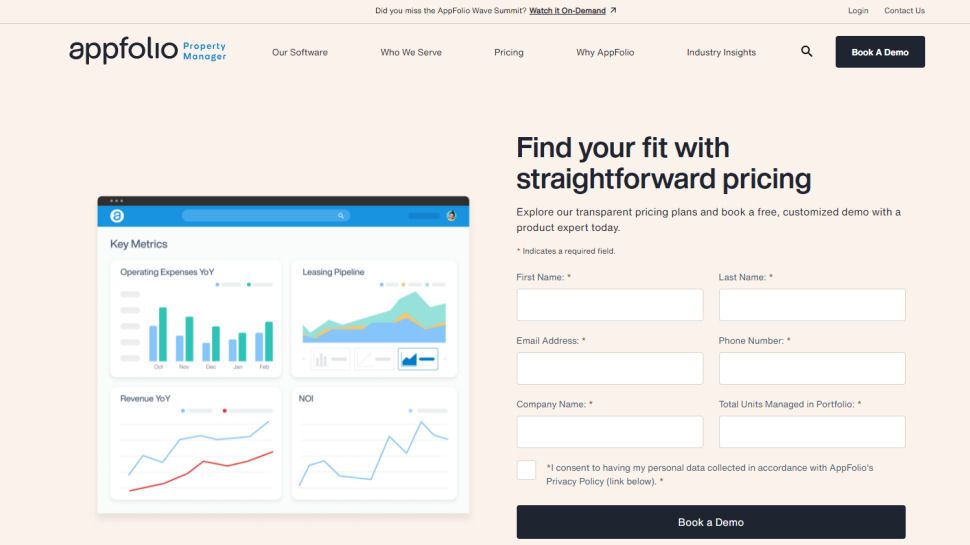
Selecting the right property management software isn’t just about features; it’s a significant financial decision. Understanding the various pricing models and how to calculate the return on investment (ROI) is paramount to ensuring that your chosen solution delivers tangible value and contributes positively to your bottom line. This involves a thorough examination of initial costs, ongoing expenses, and the quantifiable benefits the software brings to your operations.The financial implications of property management software can vary dramatically based on the vendor’s pricing structure.
A clear grasp of these models allows for more accurate budgeting and comparison between different solutions. Beyond the sticker price, it’s essential to look at the total cost of ownership and the potential for that investment to generate increased revenue or decreased expenses.
Common Property Management Software Pricing Structures
Vendors employ a range of pricing strategies to cater to different business sizes and needs. Each model has its own advantages and disadvantages, and understanding these nuances is key to finding a cost-effective solution. These structures are designed to align the software’s cost with the value it provides to the property management company.
- Per-Unit Fees: This is one of the most straightforward models. You pay a fixed monthly or annual fee for each property unit managed through the software. This model is highly scalable, as your costs directly correlate with your portfolio size. It’s often favored by smaller operations or those experiencing rapid growth, as it prevents overspending on unused capacity. However, for very large portfolios, the cumulative cost can become substantial.
- Tiered Subscriptions: Here, software vendors offer different service levels or tiers, each with a specific set of features and a corresponding price point. Tiers might be based on the number of users, the complexity of features (e.g., basic accounting vs. advanced reporting), or the volume of transactions. This allows businesses to select a plan that best fits their current operational needs and budget, with the option to upgrade as their requirements evolve.
- Feature-Based Costs: In this model, the base price of the software might be relatively low, but additional features or modules are offered as add-ons, each with its own price. This can be attractive if you only need a core set of functionalities. However, it can also lead to a higher total cost if you end up needing several add-on features, and careful tracking is required to avoid unexpected expenses.
- Flat-Rate Subscriptions: Some vendors offer a single, all-inclusive monthly or annual fee that grants access to all features and unlimited units. This model simplifies budgeting and can be very cost-effective for larger, established portfolios where the flat rate is less per unit than a per-unit model would dictate. It eliminates the complexity of tracking unit counts or feature usage.
Framework for Calculating Potential Return on Investment (ROI)
Determining the ROI of property management software involves quantifying both the costs associated with the software and the financial benefits it generates. A systematic approach ensures that the investment decision is data-driven and aligned with business objectives.
ROI = (Net Profit from Investment – Cost of Investment) / Cost of Investment – 100
To apply this, consider the following key areas where software typically delivers value:
- Cost Savings from Reduced Errors: Manual processes are prone to human error, leading to financial losses through incorrect billing, late fees, or missed payments. Property management software automates many of these tasks, significantly reducing the likelihood of errors and the associated costs of rectifying them. Quantify the estimated cost of past errors and project the reduction.
- Increased Efficiency and Productivity: Automating tasks like rent collection, maintenance requests, lease management, and accounting frees up valuable staff time. This allows your team to handle more properties, focus on higher-value activities like tenant relations or strategic growth, or even reduce staffing needs. Calculate the time saved per task and multiply by the number of tasks and employees, then convert to a monetary value based on salaries.
- Improved Tenant Retention: Software that enhances tenant communication, streamlines rent payments, and speeds up maintenance responses can lead to higher tenant satisfaction. Satisfied tenants are more likely to renew their leases, reducing costly vacancy periods and the expenses associated with finding new tenants. Estimate the average cost of a vacancy and the potential reduction in vacancy days due to improved service.
- Enhanced Reporting and Decision-Making: Better financial reporting and operational insights provided by software can lead to more informed decisions about property performance, pricing, and operational improvements, ultimately boosting profitability.
Potential Hidden Costs and Additional Expenses
While the advertised price of property management software is important, it’s crucial to be aware of potential hidden costs that can significantly impact the overall investment. These are often overlooked during the initial evaluation phase but can add up quickly.
- Implementation Fees: Many vendors charge a one-time fee for setting up the software, migrating data, and configuring it to your specific needs. This can range from a few hundred to several thousand dollars, depending on the complexity of the implementation.
- Training Costs: While some basic training might be included, comprehensive training for your entire team, especially for advanced features or complex workflows, may incur additional charges. This could be in the form of in-person sessions, online courses, or specialized workshops.
- Ongoing Support and Maintenance: While some support is typically included, premium support packages offering faster response times, dedicated account managers, or 24/7 availability often come with an extra monthly or annual fee. Similarly, significant software updates or custom development might incur additional costs.
- Integration Fees: If the software needs to integrate with other existing systems (e.g., accounting software, marketing platforms), there may be fees associated with setting up and maintaining these integrations.
- Data Migration: While some vendors include basic data migration, complex or large-scale data transfers from legacy systems can sometimes incur additional charges.
Hypothetical Cost-Benefit Analysis: 100 Units
To illustrate the long-term financial implications of different pricing models, let’s consider a hypothetical property management company managing 100 units. We’ll compare two distinct pricing scenarios over a three-year period.
Scenario A: Per-Unit Fee Model
- Monthly Cost: $5 per unit
- Annual Cost: $5/unit
– 100 units
– 12 months = $6,000 - Three-Year Cost: $6,000/year
– 3 years = $18,000 - Estimated Benefits (Annual):
- Reduced errors (e.g., fewer late payments, billing mistakes): $4,000
- Increased efficiency (staff time saved, ability to manage more units without hiring): $8,000
- Improved tenant retention (reduced vacancy costs): $3,000
- Total Estimated Annual Benefits: $15,000
- Total Estimated Three-Year Benefits: $15,000/year – 3 years = $45,000
- Net Benefit (3 Years): $45,000 (Benefits) – $18,000 (Costs) = $27,000
- ROI (3 Years): ($27,000 / $18,000) – 100 = 150%
Scenario B: Tiered Subscription Model (Mid-Tier Plan)
Assume this plan includes all necessary features for 100 units and is priced at $400 per month.
- Monthly Cost: $400
- Annual Cost: $400/month
– 12 months = $4,800 - Three-Year Cost: $4,800/year
– 3 years = $14,400 - Estimated Benefits (Annual): (Assuming similar efficiency gains and error reduction as Scenario A)
- Reduced errors: $4,000
- Increased efficiency: $8,000
- Improved tenant retention: $3,000
- Total Estimated Annual Benefits: $15,000
- Total Estimated Three-Year Benefits: $15,000/year – 3 years = $45,000
- Net Benefit (3 Years): $45,000 (Benefits) – $14,400 (Costs) = $30,600
- ROI (3 Years): ($30,600 / $14,400) – 100 = 212.5%
This hypothetical analysis demonstrates that while the per-unit model is straightforward, a well-structured tiered subscription can offer a more favorable ROI due to a lower fixed cost for this specific portfolio size. It’s crucial to conduct a similar analysis tailored to your company’s specific unit count, operational costs, and expected benefits.
Assessing the vital role of vendor support and customer success in maximizing the value of property management software.
The initial investment in property management software is just the first step; realizing its full potential hinges significantly on the ongoing support and commitment to customer success provided by the software vendor. Without robust support structures and a genuine partnership, even the most feature-rich platform can become a source of frustration rather than an asset. This section delves into the multifaceted aspects of vendor support and customer success, highlighting their indispensable role in ensuring a smooth operational flow and a strong return on investment.
Customer Support Tiers and Their Significance
Software providers typically offer a tiered approach to customer support, catering to varying user needs and complexities. Understanding these levels is crucial for selecting a vendor that aligns with your operational capacity and technical proficiency. These tiers are designed to provide timely and effective assistance, ensuring that users can overcome challenges and leverage the software to its maximum capacity.
- Basic Troubleshooting: This foundational level usually includes access to a knowledge base, FAQs, and email support for common issues. It’s ideal for users who are generally comfortable with technology and primarily need quick answers to straightforward questions. Response times can vary, but a good provider will offer a reasonable turnaround.
- Standard Support: This tier often includes email and phone support during business hours, with a commitment to faster response times than basic support. It might also involve access to community forums where users can share solutions and insights. This level is suitable for most small to medium-sized property management businesses.
- Premium Support: For larger organizations or those with complex workflows, premium support is essential. This typically involves dedicated phone and email support with guaranteed rapid response times, often 24/7. It may also include access to senior support technicians and priority issue resolution.
- Dedicated Account Management: The highest level of support involves a dedicated account manager who serves as a primary point of contact. This individual understands your specific business needs, assists with strategic planning, and ensures you are maximizing the software’s capabilities. This proactive approach is invaluable for long-term success and growth.
The Importance of Comprehensive Training Resources
Successful software implementation and adoption are intrinsically linked to the quality and accessibility of training resources. Without adequate training, users may struggle to navigate the platform, leading to underutilization, errors, and ultimately, dissatisfaction. Effective training empowers your team to become proficient users, unlocking the software’s full value.A robust training program should encompass a variety of formats to cater to different learning styles and schedules.
This includes:
- Live Webinars: Interactive sessions that allow users to ask questions in real-time and receive immediate feedback. These are excellent for introducing new features or addressing common operational challenges.
- On-Demand Video Tutorials: A library of pre-recorded videos covering specific functionalities, workflows, and best practices. These offer flexibility, allowing users to learn at their own pace and revisit topics as needed.
- Comprehensive Documentation: Detailed user manuals, guides, and articles that provide in-depth explanations of all software features. This serves as a valuable reference tool for ongoing learning and problem-solving.
- Onboarding Programs: Structured programs designed to guide new users through the initial setup, configuration, and basic usage of the software. A well-executed onboarding process sets the stage for long-term user engagement and success.
Evaluating Vendor Commitment to Customer Success
A vendor’s commitment to your success is a critical differentiator. It goes beyond merely fixing bugs; it involves a proactive partnership aimed at helping you achieve your business objectives. Evaluating this commitment requires looking beyond marketing claims and examining tangible evidence.Methods for evaluating a vendor’s dedication to customer success include:
- Client Testimonials and Case Studies: Reviewing feedback from existing clients provides genuine insights into the vendor’s support quality and their impact on user businesses. Look for consistent themes regarding responsiveness, helpfulness, and problem resolution.
- Response Times and Service Level Agreements (SLAs): Inquire about their typical response times for different support tiers and if they offer formal SLAs. This indicates their commitment to timely assistance.
- Proactive Engagement Strategies: Does the vendor reach out with tips, best practices, or updates on new features? Do they conduct regular check-ins or offer user groups? Proactive engagement suggests they are invested in your ongoing success.
- Product Roadmap and Feature Requests: A vendor that actively solicits and incorporates user feedback into their product development demonstrates a commitment to evolving with their clients’ needs.
The Impact of Strong Vendor Partnerships on Software Evolution
The relationship between a property management software user and its vendor can be a powerful catalyst for continuous improvement and tailored solutions. When a vendor views its clients as partners, it fosters an environment where mutual growth and adaptation are prioritized. This symbiotic relationship ensures that the software not only meets current demands but also anticipates and addresses future challenges.Examples of how strong vendor partnerships lead to positive outcomes include:
- Feature Development Driven by User Needs: A vendor that actively listens to its user base can identify common pain points or emerging trends. For instance, if multiple users in a specific region report challenges with a particular local regulation, a responsive vendor might prioritize developing a feature to streamline compliance for that area.
- Customization and Integration for Evolving Workflows: As property management businesses grow and their operational needs change, they often require custom solutions or deeper integrations with other business systems. A strong partnership allows for collaborative development of these tailored functionalities, ensuring the software remains a perfect fit. For example, a vendor might work with a large portfolio owner to develop a custom reporting module that aggregates data in a unique way for their investors, or build an API integration with a specialized accounting software that the client relies on.
- Early Access to Beta Programs and New Releases: Valued partners are often invited to participate in beta testing for new features or upcoming software versions. This provides them with an early look at innovations and allows them to provide crucial feedback before a wider release, influencing the final product.
- Strategic Guidance and Best Practice Sharing: Beyond technical support, a strong vendor partnership can extend to strategic advice. A customer success manager might share insights on how other successful clients are using the software to optimize leasing, tenant communication, or maintenance management, leading to operational enhancements for the user.
This collaborative approach ensures that the property management software remains a dynamic and valuable asset, capable of adapting to the ever-changing landscape of the real estate industry.
Exploring the security and compliance considerations paramount to property management software selection.
In the realm of property management, safeguarding sensitive data is not merely a best practice; it’s a fundamental necessity. The software chosen to manage properties, tenants, and financial transactions becomes a central repository for highly confidential information. Therefore, a thorough examination of security measures and adherence to legal frameworks is an indispensable step in the selection process. This ensures the protection of all stakeholders and the integrity of operations.The digital landscape presents both opportunities and threats, and property management software is a prime target for malicious actors seeking to exploit vulnerabilities.
Understanding the robust security protocols that leading software solutions must implement is crucial. This involves delving into the technical safeguards designed to prevent unauthorized access, data breaches, and potential financial fraud. Beyond technical defenses, a deep understanding of the legal and regulatory environment is equally vital.
Data Security Measures in Property Management Software
Effective property management software must employ a multi-layered approach to data security, ensuring the confidentiality, integrity, and availability of sensitive tenant and owner information. At the forefront of these measures is robust encryption, both in transit and at rest. Encryption scrambles data, rendering it unreadable to anyone without the proper decryption key. This is particularly critical for personally identifiable information (PII) such as names, addresses, social security numbers, and financial details, as well as for financial transaction records.Access controls are another cornerstone of data security.
These systems define who can access what data and under what conditions. Role-based access control (RBAC) is a common and effective method, assigning specific permissions to different user roles (e.g., administrator, property manager, leasing agent, tenant). This principle of least privilege ensures that users only have access to the information necessary for their job functions, minimizing the risk of accidental or intentional data misuse.
Multi-factor authentication (MFA) adds an extra layer of security by requiring users to provide at least two forms of verification before granting access, significantly deterring unauthorized logins even if credentials are compromised. Regular security audits and vulnerability assessments are also essential, allowing for the proactive identification and remediation of potential weaknesses before they can be exploited. Furthermore, secure data backup and disaster recovery plans are critical to ensure business continuity and data restoration in the event of system failures or cyberattacks.
Legal and Regulatory Compliance Requirements
Adherence to legal and regulatory frameworks is non-negotiable for property management software. Data privacy laws have become increasingly stringent globally, and property managers must ensure their chosen software solutions comply with these mandates. The General Data Protection Regulation (GDPR) in Europe, for instance, sets strict rules for how personal data of EU residents can be collected, processed, and stored, granting individuals significant rights over their data.
Similarly, the California Consumer Privacy Act (CCPA) and its successor, the California Privacy Rights Act (CPRA), provide California residents with rights regarding their personal information, including the right to know, delete, and opt-out of the sale of their data.Other relevant regulations might include specific data residency requirements, depending on the geographical location of the properties and tenants, as well as industry-specific compliance standards if applicable.
Property management software needs to be designed with these regulations in mind, offering features that facilitate compliance, such as consent management, data subject access requests, and data deletion capabilities. Failure to comply can result in substantial fines, reputational damage, and legal repercussions.
Vetting a Software Vendor’s Security Protocols and Compliance Certifications
Thorough vetting of a software vendor’s security protocols and compliance certifications is a critical due diligence step. Prospective buyers should request detailed documentation outlining the vendor’s security architecture, data handling policies, and incident response plans. Key certifications to look for include ISO 27001, which demonstrates a comprehensive information security management system, and SOC 2 (Service Organization Control 2) reports, which attest to a vendor’s controls related to security, availability, processing integrity, confidentiality, and privacy.When evaluating a vendor, inquire about their data encryption standards, access control mechanisms, and employee training programs on data security.
Understanding their procedures for handling data breaches, including notification protocols and remediation steps, is also paramount. A vendor’s commitment to regular security updates and patches should be a significant consideration. Furthermore, reviewing their privacy policy and terms of service can provide insights into how they handle and protect your data and that of your tenants. Demonstrating a clear understanding of these aspects will instill confidence in the vendor’s ability to protect your confidential information.
Potential Risks and Mitigation Strategies for Inadequate Security and Compliance
The consequences of inadequate security and compliance in property management software can be severe and far-reaching. Data breaches can lead to the exposure of sensitive tenant PII, including financial details, potentially resulting in identity theft and financial fraud. This can severely damage tenant trust and lead to significant reputational harm for the property management company. Owners’ financial data and proprietary information could also be compromised, leading to financial losses and competitive disadvantages.Legal and regulatory non-compliance can result in substantial fines, as stipulated by laws like GDPR and CCPA.
These penalties can significantly impact a company’s profitability and even threaten its viability. Furthermore, lawsuits from affected individuals or regulatory bodies can incur considerable legal costs. Reputational damage from a security incident or compliance failure can be difficult to recover from, leading to a loss of clients and business opportunities.Mitigation strategies involve a proactive and continuous approach. Prioritizing software solutions with robust, built-in security features and a proven track record of compliance is the first step.
Implementing strong internal security policies and procedures, including regular employee training on data protection and phishing awareness, is crucial. Regularly updating software and systems, conducting periodic security audits, and having a well-defined incident response plan in place are essential for minimizing risks. For instance, a property management company that experiences a data breach due to unpatched software vulnerabilities faces a much higher risk of litigation and regulatory penalties than one that diligently applies security updates.
Similarly, a company that has a clear process for handling data subject access requests, as mandated by privacy laws, is better positioned to avoid compliance issues.
Identifying specialized property management software catering to niche markets and unique operational demands.

The property management landscape is far from monolithic. While many platforms offer a broad suite of tools, the true power of software often lies in its ability to cater to the specific intricacies of different property types and operational models. Recognizing these specialized needs is crucial for property managers seeking to optimize efficiency, enhance tenant or guest experiences, and ensure regulatory compliance within their chosen niche.
Moving beyond a one-size-fits-all approach allows for the adoption of solutions that directly address unique challenges and leverage distinct opportunities, ultimately driving better business outcomes.
Distinct Software Requirements Across Property Types
The fundamental requirements for property management software can vary significantly depending on the asset class being managed. Each property type presents a unique set of operational demands, tenant behaviors, and regulatory considerations that necessitate tailored software functionalities. For instance, residential property management software needs to excel in areas like tenant screening, lease generation and renewals, rent collection, and handling maintenance requests for long-term residents.
The focus here is on building stable, long-term tenant relationships and managing recurring income streams efficiently.Commercial property management, on the other hand, involves a different set of priorities. Software for this sector must accommodate complex lease structures, such as triple net leases, and manage common area maintenance (CAM) charges, tenant improvements (TIs), and intricate billing cycles. It also needs robust capabilities for tracking lease expirations, managing multiple commercial tenants within a single building, and often includes features for lease abstracting and financial reporting geared towards investor expectations.Short-term rental management presents an entirely different challenge.
These platforms require sophisticated booking engines, dynamic pricing capabilities, integration with multiple online travel agencies (OTAs) like Airbnb and Vrbo, automated guest communication, and seamless check-in/check-out processes. The operational rhythm is much faster, with frequent guest turnover, requiring efficient cleaning and maintenance scheduling between stays.Affordable housing management introduces a layer of regulatory complexity. Software in this niche must handle specific compliance requirements, such as Section 8 voucher processing, income verification, fair housing regulations, and detailed reporting for government agencies.
Accurate tracking of eligibility, rent calculations based on income, and adherence to specific program guidelines are paramount.
Addressing Niche Market Challenges and Opportunities
Specialized property management software is designed to proactively address the unique pain points and capitalize on the distinct opportunities within these varied markets. For example, a short-term rental platform might offer a unified calendar that syncs across all booking channels, preventing double bookings and maximizing occupancy. It could also provide tools for managing dynamic pricing based on demand, seasonality, and local events, thereby increasing revenue.In the affordable housing sector, specialized software can automate the often-manual process of income certification and re-certification, significantly reducing administrative burden and the risk of non-compliance.
These systems can flag potential issues early, ensuring that properties remain compliant with funding requirements and avoid penalties.Commercial property management software might offer advanced lease administration tools that automatically track critical dates, such as option periods or rent review dates, and generate alerts for property managers. This proactive approach helps in retaining tenants and negotiating favorable lease renewals.
Benefits of Niche-Specific Solutions, Best property management software
Choosing a niche-specific solution over a general-purpose platform offers several distinct advantages for property managers operating in specialized sectors. Firstly, these tailored platforms often provide a more intuitive user experience because their workflows are designed around the specific tasks and terminology of that niche. This reduces the learning curve and increases adoption rates among staff.Secondly, specialized software often comes with pre-built integrations relevant to that market.
For instance, a short-term rental platform might integrate seamlessly with smart lock providers for keyless entry or with guest experience apps. An affordable housing platform might integrate directly with government reporting portals.Furthermore, niche solutions are typically more cost-effective in the long run. While a general platform might offer many features, a significant portion may be irrelevant to a specific niche, leading to paying for unused functionality.
A specialized platform focuses resources on the features that deliver the most value, leading to a higher return on investment.
Comparative Overview of Differentiating Features
The divergence in features between specialized platforms becomes evident when comparing their core functionalities. For residential properties, standard features include robust tenant portals for online payments and maintenance requests. However, commercial software might feature more complex CAM reconciliation modules and tenant improvement tracking.Short-term rental software stands out with its integrated booking engines, often featuring direct booking capabilities alongside OTA integrations.
This contrasts with the long-term lease management focus of residential or commercial software. Vacation rental platforms also prioritize guest communication automation, including pre-arrival instructions and post-stay feedback requests.Affordable housing software distinguishes itself with compliance-centric modules. This can include built-in calculators for rent based on income, automated workflows for managing tenant eligibility and recertification, and reporting tools specifically designed for HUD or other relevant housing authorities.
These compliance features are often absent or rudimentary in general-purpose property management software, making specialized solutions indispensable for managers in this regulated sector.
The true value of property management software is unlocked when its features align directly with the operational realities and regulatory demands of the specific market it serves.
Final Conclusion

Ultimately, selecting the best property management software is a strategic decision that impacts every facet of your business. By carefully evaluating foundational needs, innovative features, integration capabilities, pricing models, vendor support, security protocols, and niche-specific requirements, property managers can empower themselves with tools that drive efficiency, improve tenant relations, and ensure long-term success and profitability in an ever-evolving industry.
FAQs
What is the average cost of property management software?
The cost varies significantly based on features, number of units managed, and vendor. Basic plans can start from $1-$2 per unit per month, while comprehensive solutions with advanced features can range from $5-$15 per unit per month or more, often with setup fees.
How important is mobile accessibility for property management software?
Mobile accessibility is crucial. It allows property managers to perform tasks like responding to maintenance requests, communicating with tenants, and accessing property information on the go, significantly improving efficiency and responsiveness.
Can property management software help with marketing vacant units?
Many advanced property management software solutions include marketing tools. These can range from listing syndication to online portals for prospective tenants, helping to fill vacancies faster.
What are the key differences between software for residential and commercial properties?
Residential software often focuses on tenant screening, rent collection, and lease management for individual units. Commercial software typically includes features for lease abstracting, CAM reconciliations, tenant improvement tracking, and more complex lease structures.
How do I determine if a software vendor offers good customer support?
Evaluate customer support by checking their response times, the availability of different support channels (phone, email, chat), the quality of their documentation and training resources, and by reading client testimonials and reviews specifically mentioning support experiences.